Time is precious. Click below to jump directly to the English version of the fragment.
[ITA]
Se decidessi di introdurre me stesso in maniera semplice, certamente lo farei parlando dei libri che mi hanno cambiato la vita. Ho letto molto, libri grandiosi, emozionanti, anche i libri brutti. Ma solo alcuni di loro mi hanno cambiato, non necessariamente i migliori, ma quelli che hanno modificato la mia visione del mondo. Altre volte invece è stato semplicemente un autore, il suo stile, la sua arte.
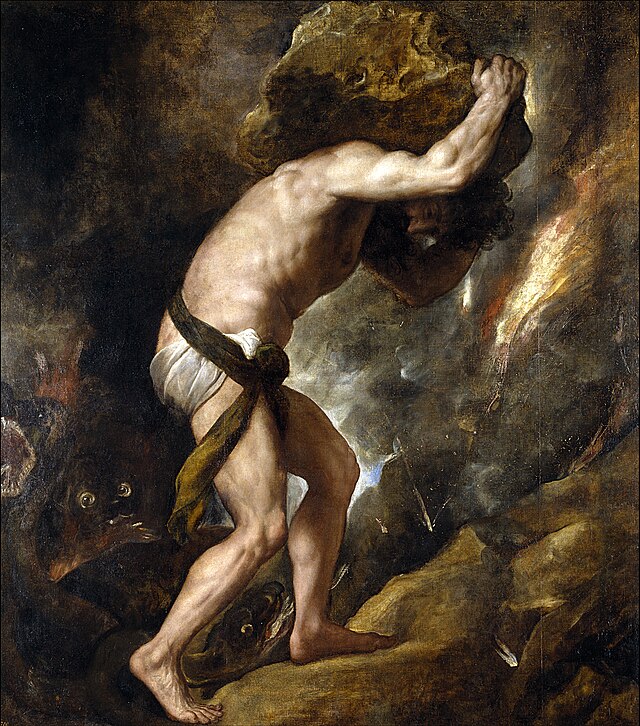
Ho deciso di iniziare questa disamina con l’ultimo libro che mi ha cambiato: IL MITO DI SISIFO di Albert Camus.
Ho letto il libro pochi mesi fa, in seguito a delle ricerche che stavo facendo per una sceneggiatura dal titolo “Butō”. Non mi interessa ora dilungarmi nel trattare i temi della mia sceneggiatura, ma al contempo è interessante capire come ci sia arrivato. Butō è il terzo volume di una serie di graphic Novel e tratta il tema di sconfiggere la desolazione dell’esistenza, la tristezza, la depressione. Il titolo richiama appunto la celebre danza giapponese post-atomica e Camus è stato una svolta per i miei scritti.
Ad essere sincero non ho amato molto il libro in prima battuta, ma poi alla fine, una frase, mi ha letteralmente immobilizzato: “Bisogna immaginare Sisifo felice”. Lì mi sono chiesto, ma perché mai? Come fa ad essere felice? Ma Camus ha ragione. Sisifo è felice perché, come l’autore stesso recita: “Non esiste destino che non possa essere superato dal disprezzo.”
È un’opera grandiosa, emozionante, struggente e che lascia il lettore in uno stato meditativo. Non mi interessa in alcun modo fare una recensione, anche perché non ne avrei le competenze. Mi interessa invece parlare delle sensazioni che ho provato nella lettura e come Albert Camus abbia trasformato la mia visione del mondo con semplici quattro parole: “BISOGNA IMMAGINARE SISIFO FELICE”.
Se prima la mia versione pessimistica ha avuto la meglio, ora invece è l’assurdo che mi governa. È l’assurdo che mi sostiene.
[ENG]
If I were to introduce myself in a simple way, I would certainly do so by talking about the books that changed my life. I have read a lot, magnificent, moving books, even bad books. But only a few of them truly changed me, not necessarily the best ones, but those that altered my worldview. Other times, though, it was simply an author, their style, their art.
I have decided to begin this examination with the most recent book that changed me: THE MYTH OF SISYPHUS by Albert Camus.
I read the book a few months ago, following some research I was doing for a script titled “Butō”. I am not interested in dwelling on the themes of my script right now, but at the same time, it is interesting to understand how I got there. Butō is the third volume of a graphic novel series and deals with the theme of defeating the desolation of existence, sadness, and depression. The title, in fact, evokes the famous Japanese post-atomic dance, and Camus was a turning point for my writing.
To be honest, I didn’t love the book very much at first, but then, at the end, one sentence literally froze me in place: “One must imagine Sisyphus happy.” In that moment, I asked myself, but why on earth? How can he possibly be happy? But Camus is right. Sisyphus is happy because, as the author himself puts it: “There is no fate that cannot be surmounted by scorn.”
It is a magnificent, moving, and poignant work that leaves the reader in a meditative state. I am in no way interested in writing a review, not least because I wouldn’t have the expertise. What interests me instead is talking about the sensations I felt while reading and how Albert Camus transformed my worldview with just five simple words: “ONE MUST IMAGINE SISYPHUS HAPPY.”
Whereas before my pessimistic self prevailed, now it is the absurd that governs me. It is the absurd that sustains me.
Attualmente sto leggendo:
What I’m currently reading:
Corto Maltese: sotto il segno del Capricorno (Hugo Pratt)