Time is precious. Click below to jump directly to the English version of the fragment.
[ITA]
Ho comprato il primo volume del Trono di Spade di George R. R. Martin. In questo momento sono nella fase più viva di un re-watch della serie TV Game of Thrones. Ho visto A Knight of the Seven Kingdoms e House of the Dragon (che personalmente penso abbia superato la serie Madre).
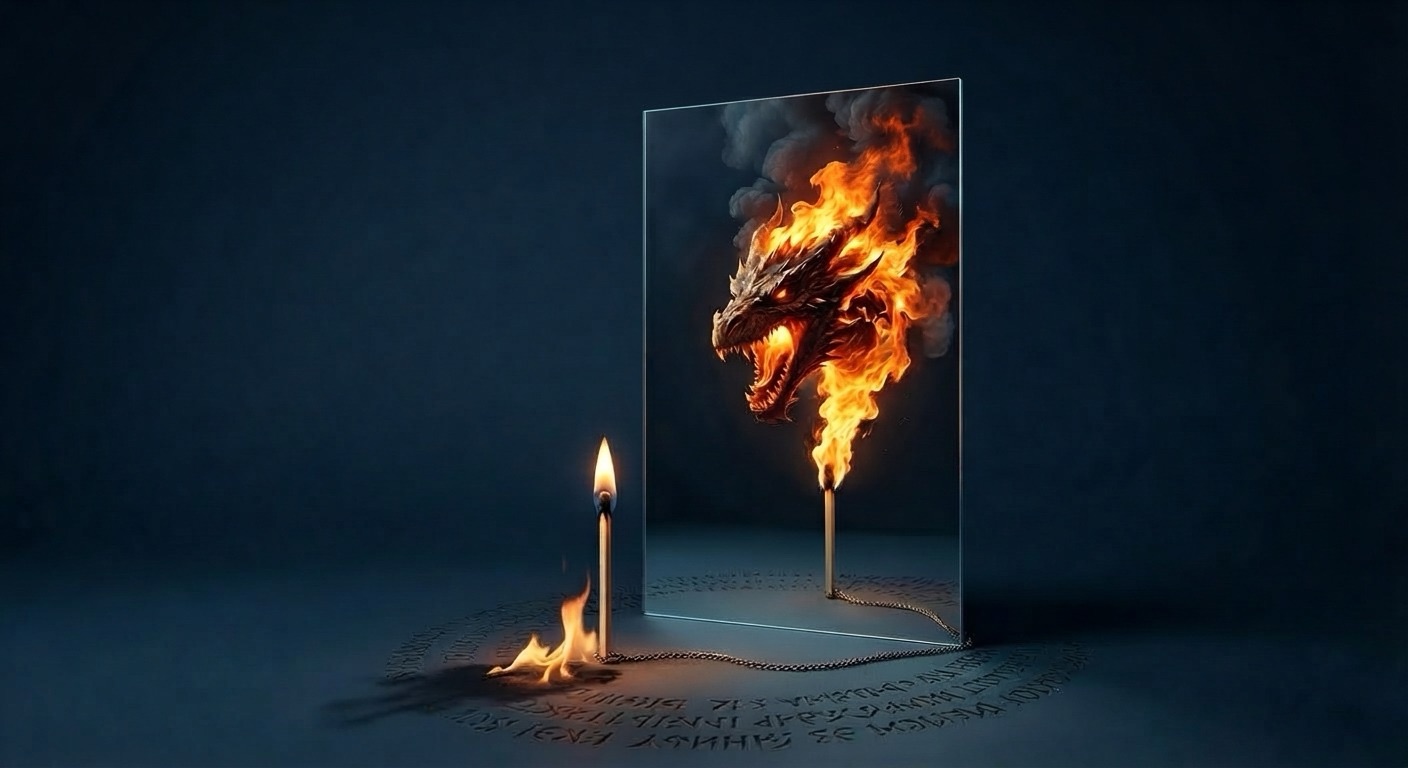
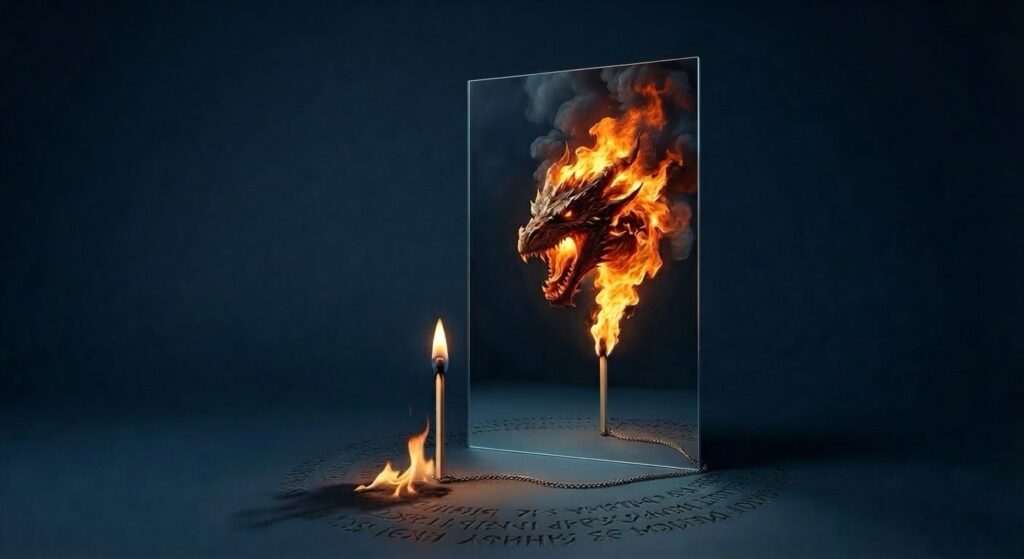
Detto questo, in attesa della terza stagione di HotD, ho deciso di intraprendere un percorso di lettura completo della saga. So benissimo che ci sono differenze sostanziali tra la serie e i libri, e questo mi intriga molto. Durante la visione di HotD ho riflettuto molto sui draghi e sulla loro correlazione con la bomba atomica. Con qualche ricerca ho scoperto che lo stesso George R. R. Martin ha dichiarato che fossero il “deterrente nucleare” del mondo di Game of Thrones, e che la stessa Valyria fosse un disastro “nucleare”. Questo ha portato in me una lunga riflessione che oggi mi ha condotto ad approfondire il tema con i libri. Il punto che più mi ha colpito è l’obiettivo iniziale di Rhaenyra di evitare la guerra armandosi, mi ha ricordato molto il contesto della guerra fredda.
La questione draghi in parte si può vedere anche nelle ultime stagioni di Game of Thrones, con la furia omicida di Daenerys che spesso si trova impotente dinanzi ai suoi draghi, che pur rispettandola, non sono semplici ”armi” al suo servizio.
Ciò che emerge da entrambe le serie TV, in questo caso maggiormente da House of the Dragon, è il rapporto distorto tra il cavaliere e il suo drago. L’uomo nella sua presunzione pensa di dominare i draghi, e di conseguenza il mondo, ma spesso è un semplice spettatore dinanzi ad essi. La furia distruttiva di Vhagar che uccide Lucerys a Capo Tempesta ne è un chiaro esempio.
Naturalmente non posso che citare Re Viserys I Targaryen:
“L’idea che controlliamo i draghi è un’illusione.”
Ironicamente penso: almeno un Targaryen lo ha capito. Un controllo che non esiste e che proprio con la Danza dei Draghi segna il declino della Casata stessa.
Naturalmente, il mondo creato da George R. R. Martin può aprire infiniti dibattiti e considerazioni, ma questa penso possa portare a un’attenta analisi del nostro tempo, delle guerre mondiali e dell’illusione dell’uomo di controllare la distruzione.
[ENG]
I bought the first volume of A Game of Thrones by George R. R. Martin. At this moment I am in the most intense phase of a rewatch of the TV series Game of Thrones. I have seen A Knight of the Seven Kingdoms and House of the Dragon (which I personally think has surpassed the parent series).
That being said, while waiting for the third season of HotD, I decided to embark on a complete reading journey through the saga. I know very well that there are substantial differences between the series and the books, and this intrigues me a lot. While watching HotD I reflected a lot on dragons and their connection with the atomic bomb. After a bit of research I discovered that George R. R. Martin himself stated that they were the “nuclear deterrent” of the Game of Thrones world, and that Valyria itself was a “nuclear” disaster. This sparked a long reflection that has now led me to explore the theme further through the books. The point that struck me the most is Rhaenyra’s initial goal of avoiding war by arming herself; it reminded me a lot of the Cold War context.
he dragon issue can partly be seen in the final seasons of Game of Thrones as well, with Daenerys’s murderous fury often proving powerless before her dragons, which, despite respecting her, are not mere “weapons” at her service.
What emerges from both TV series, in this case mostly from House of the Dragon, is the distorted relationship between the rider and their dragon. Man, in his arrogance, thinks he dominates the dragons, and consequently the world, but is often a mere spectator before them. The destructive fury of Vhagar killing Lucerys at Storm’s End is a clear example of this.
Naturally, I can’t help but quote King Viserys I Targaryen:
“The idea that we control the dragons is an illusion.”
Ironically, I think: at least one Targaryen has understood it. A control that does not exist and that, precisely with the Dance of the Dragons, marks the decline of the House itself.
Naturally, the world created by George R. R. Martin can open endless debates and reflections, but I think this one can lead to a careful analysis of our time, of the world wars and of man’s illusion of controlling destruction.
Attualmente sto leggendo:
What I’m currently reading:
Il gioco del trono (A Game of Thrones) (George R. R. Martin)
Post scriptum
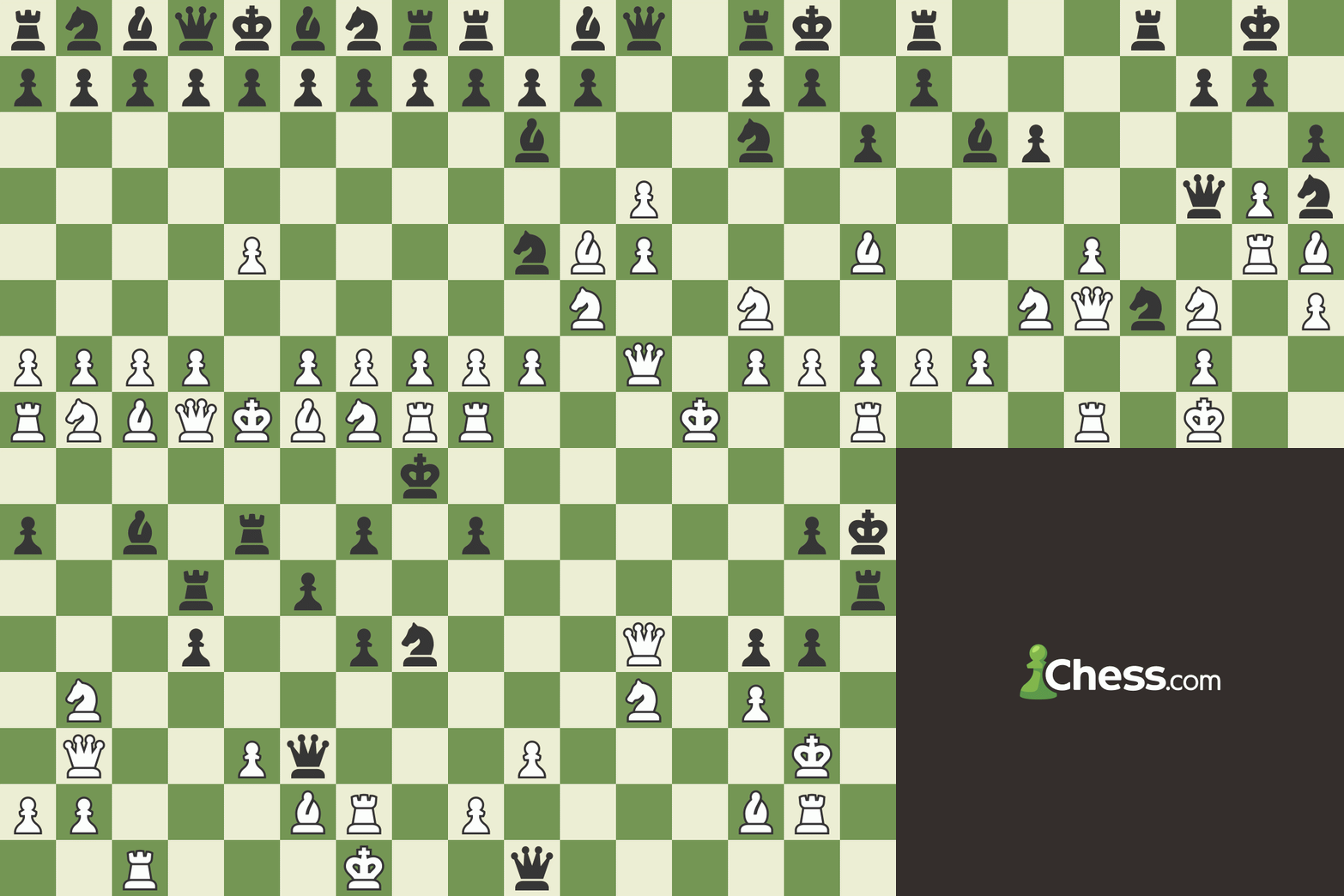
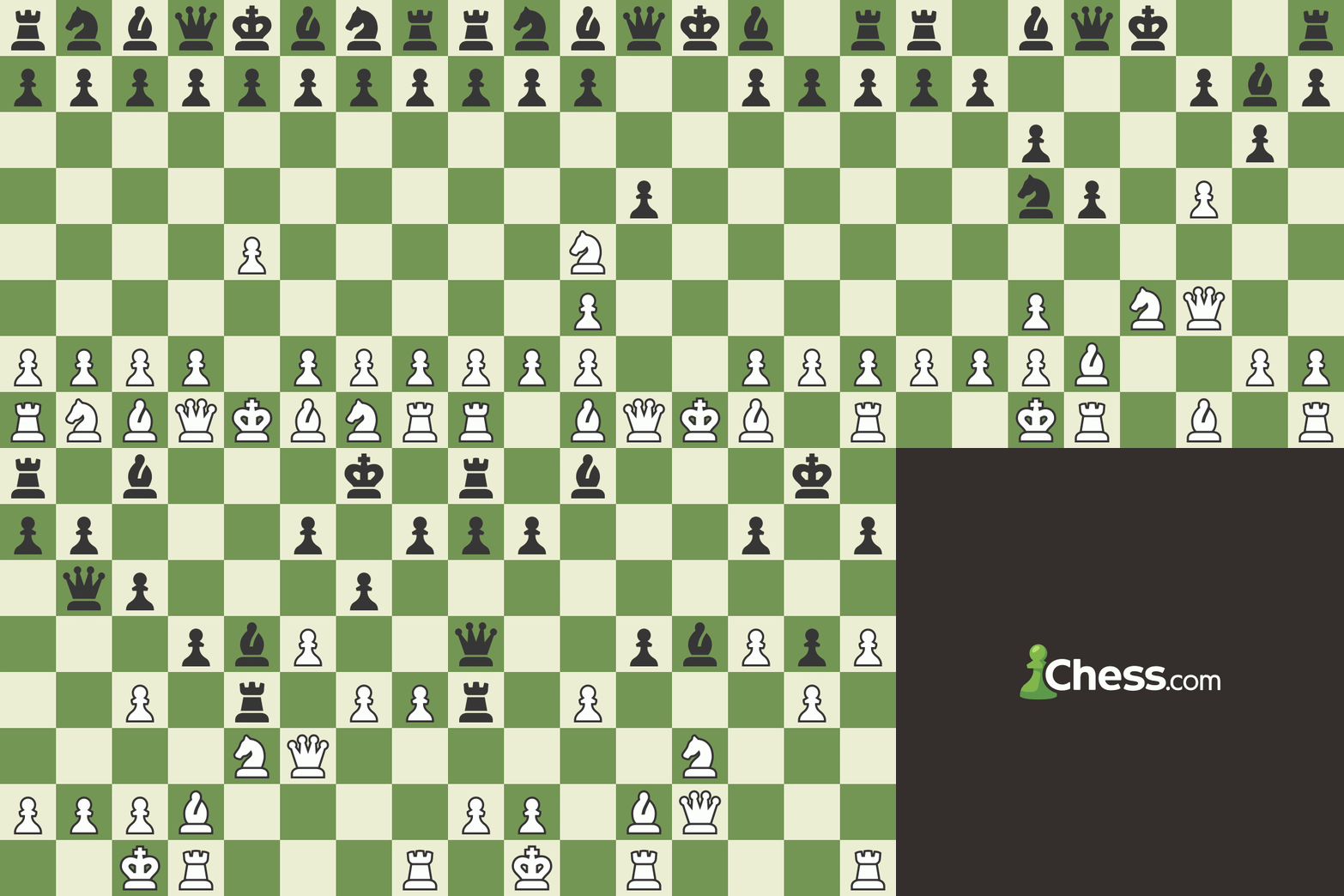
Un aggiornamento con i match più interessanti dei Candidati 2026, per ora…
An update on the most compelling encounters of the 2026 Candidates, so far…