
Time is precious. Click below to jump directly to the English version of the fragment.
[ITA]
Il titolo è chiaro: CONSIGLI (NON RICHIESTI) PER GIOVANI SAMURAI DEL RACCONTO. Non richiesti però, nel mio caso, è un’imprecisione: io imploravo per averli.
I 50 consigli di Igort li ho letti circa cinque volte. Proprio ora che scrivo, e consulto nuovamente il libro, fanno sei. Ci sono certamente dei consigli che mi hanno aiutato più di altri e ciò che Igort propone è essenzialmente avere un metodo. Un metodo rigido e chiaro che prediliga la costanza e la chiarezza. Posso dire che ormai è un libro che mi accompagna costantemente, leggo un consiglio al giorno e cerco di farlo mio, credo di saperne ormai molti a memoria. Una volta finito, mi prendo una pausa di qualche settimana, faccio respirare i consigli dentro di me. Poi riprendo a leggerlo come se non lo avessi mai fatto e scopro ogni volta cose nuove.
Leggerlo con costanza è diventato un percorso fondamentale che mi aiuta a crescere.
Il primo consiglio:
- IL VUOTO
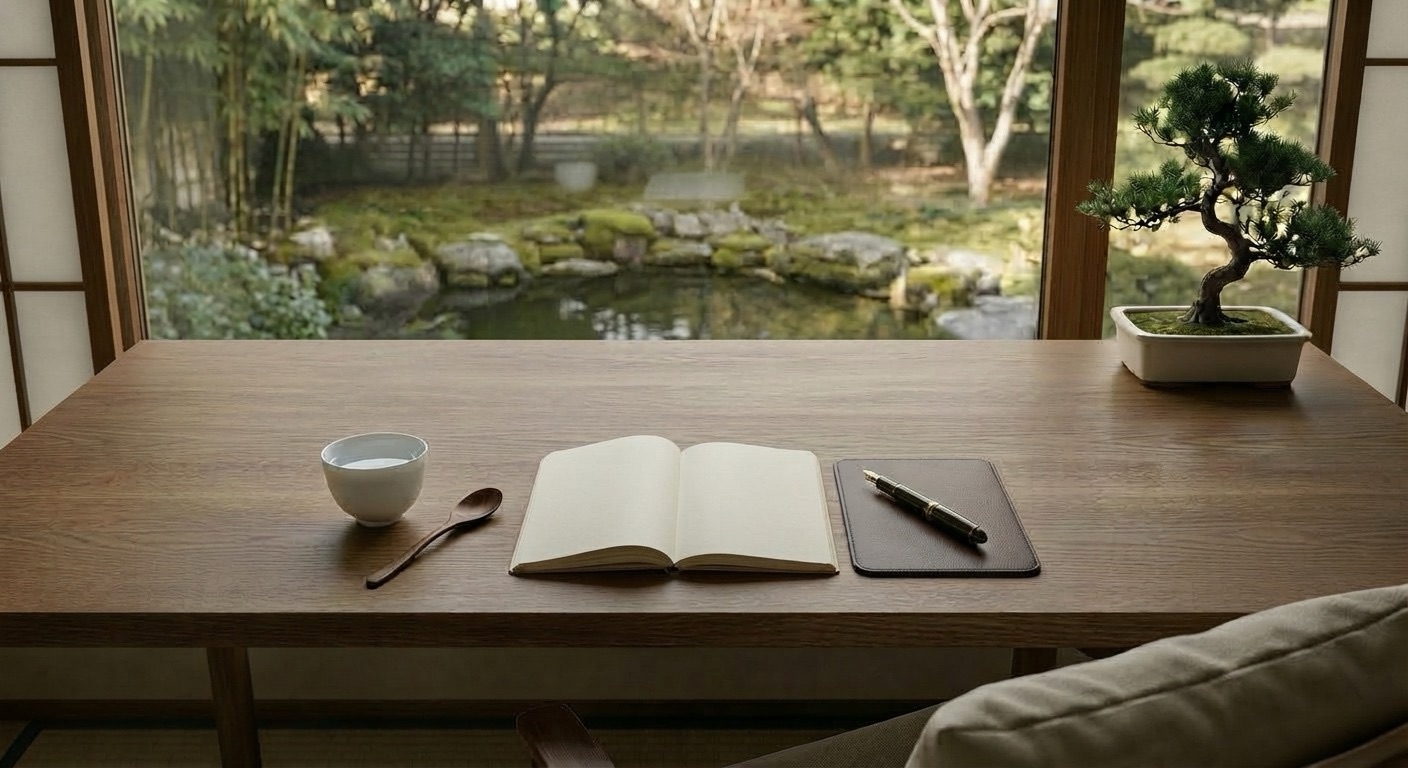
Mantieni sempre il tavolo ordinato,
Prima di iniziare il lavoro, abbi cura di avere
Disposto tutto quel che ti servirà.
L’ordine esteriore è utile per trovare l’ordine interiore.
Ho fatto ore di meditazione su questo punto. Il tavolo ordinato, la disciplina prima di iniziare a scrivere. Credo sia un consiglio essenziale nella sua semplicità e che aiuti a concentrarsi sull’arte prima di tutto. Credo poco nell’artista che crea solo nella confusione o quando ha “la scintilla”.
Credo invece nel duro lavoro, con la poesia ho avuto spesso momenti di trance, con la sceneggiatura è diverso. Certo puoi avere un’idea embrionale in questo modo, ma poi la storia ha bisogno della sua gestazione e della ricerca costante di particolari.
La mente lavora in “background”, sviluppa l’idea che poi la penna scriverà con il pilota automatico, ma solo quando si sente pronta a farlo. Da quel momento l’idea è nero su bianco e subentra una nuova fase, quella del sudore e del sangue, scrivere con costanza e con metodo è l’unica soluzione.
Qui i consigli di Igort diventano vitali e si crea così la magia. Ho cercato molte volte di concentrarmi sul metodo e sul percorso, per comprenderlo e studiarlo. Ma non so bene se con successo o invano.
È quasi come cercare di prendere qualcosa che si percepisce solamente, cercare di afferrare un’idea.
[ENG]
The title is clear: UNSOLICITED ADVICE FOR YOUNG SAMURAI OF STORYTELLING (CONSIGLI (NON RICHIESTI) PER GIOVANI SAMURAI DEL RACCONTO). “Unsolicited,” though, in my case, is an inaccuracy; I was begging for it.
I have read Igort’s 50 pieces of advice about five times. Right now, as I write this and consult the book again, that makes six. Some pieces of advice have certainly helped me more than others, and what Igort proposes is essentially having a method. A rigid and clear method that favors consistency and clarity. I can say that by now it is a book that constantly accompanies me; I read one piece of advice a day and try to make it my own; by now I think I know many of them by heart. Once finished, I take a break for a few weeks, letting the advice breathe within me. Then I start reading it again as if for the first time, discovering new things every time.
Reading it consistently has become a fundamental path for my growth.
The first piece of advice:
1. THE VOID
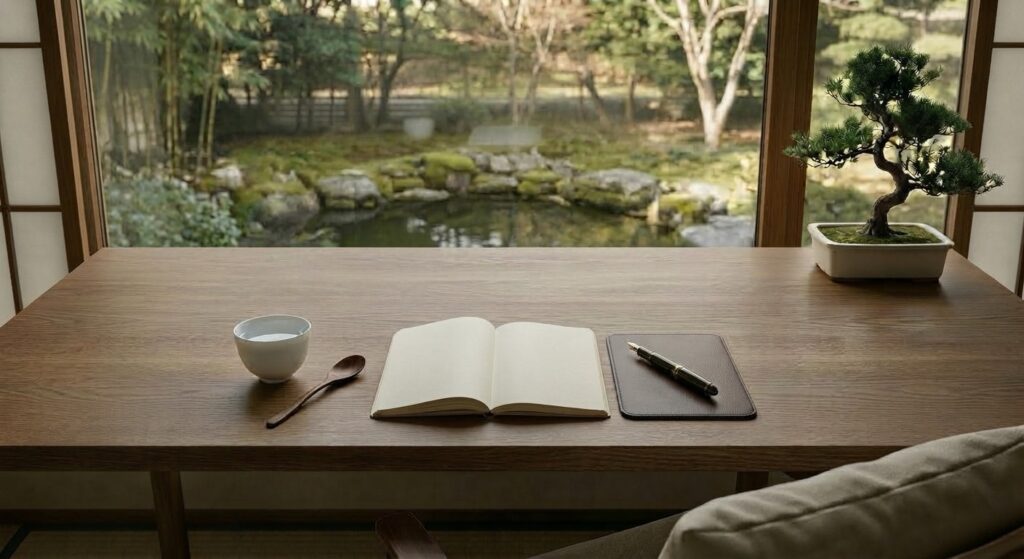
Always keep your desk tidy,
Before starting work, take care to have
Everything you need laid out.
Outer order is useful for finding inner order.
I have spent hours meditating on this point. The tidy desk, the discipline before starting to write. I believe it is an essential piece of advice in its simplicity, helping one focus on art above all else. I have little faith in the artist who only creates in chaos or when they have “the spark.”
Instead, I believe in hard work. With poetry, I often had moments of trance; with scriptwriting, it is different. Of course, you can have an embryonic idea that way, but then the story needs its gestation and a constant search for details.
The mind works in the “background,” developing the idea that the pen will eventually write on autopilot, but only when it feels ready. From that moment, the idea is down in black and white, and a new phase takes over: one of sweat and blood. Writing with consistency and method is the only solution.
This is where Igort’s advice becomes vital, and that is how the magic is created. I have often tried to focus on the method and the path, to understand and study it. But I am not quite sure whether I have succeeded or whether it has been in vain.
It’s almost like trying to catch something you can only perceive, trying to grasp an idea.
Attualmente sto leggendo:
What I’m currently reading:
Factotum (Charles Bukowski)
Igort descrive il suo libro, sicuramente meglio di me.
Igort describes his book, certainly better than I could.