Time is precious. Click below to jump directly to the English version of the fragment.
[ITA]
Marilyn Yalom nel suo libro Birth of the Chess Queen sostiene che il pezzo più potente sulla scacchiera sia diventato tale nel tardo 1400 in seguito, e certamente influenzato, alla situazione sociopolitica dell’Europa di quel tempo. Quasi certamente ciò è avvenuto in Spagna e il primo libro che tratta l’argomento è The Poem Scachs d’amor del 1475, l’anno dopo l’incoronazione di Isabella I di Castiglia.
La Yalom sostiene quindi che figure come Eleanor d’Aquitania, Bianca di Castiglia e ovviamente Isabella I abbiano direttamente influenzato gli scacchi e l’evoluzione del pezzo.
Non si può però tralasciare, d’altro canto, come in molte lingue la traduzione non sia donna o regina, ma capo d’armata (vezér in ungherese) o consigliere del re (vizir in arabo), solo per citarne alcuni. In tutta risposta, mi preme far notare che in Francia e Spagna, luogo in cui questa rivoluzione scacchistica è avvenuta, i nomi più usati per indicare il pezzo sono rispettivamente Dame e Dama (o Reina).
Una delle mie prime considerazioni, quando ho scoperto gli scacchi, è stata proprio ammirare la potenza della regina, in italiano più generalmente chiamata Donna. Il re è un essere indifeso, lento e debole, la donna lo difende, non in un atto di sottomissione, ma di volontà di potenza Nietzschiana, rendendo il tutto incredibilmente poetico.
È un paradosso curioso come un gioco considerato da molti “maschile“ (erroneamente, è ovvio), creato comunque certamente dai maschi, abbia scelto nella figura femminile la protezione e la difesa.
Penso che la versione femminista (se così la si può definire) della storia del pezzo sia sicuramente la più interessante, ergo la mia preferita.
Ma il tema mi ha così condotto al tasto dolente degli scacchi.
Secondo il report 2026 della FIDE solo il 16,5% degli iscritti sono donne, portando a una riflessione molto difficile sulle possibilità delle donne in questo sport.
Non c’è da sorprendersi di come nella storia solo la GM Judit Polgar sia riuscita a raggiungere le vette mondiali. Con una percentuale così bassa, anche una sola presenza nell’Elite mondiale è un traguardo molto più rilevante di quanto non sia già considerato.
In molti incolpano la scarsa competitività delle donne alla presenza di titoli come WGM (Woman Grandmaster) che fungono da gabbie dorate, limitando la crescita scacchistica delle donne. È innegabile, tuttavia, che il sistema dei titoli femminili è nato per dare una visibilità alle scacchiste, portando così ad un incentivo economico e psicologico che altrimenti non ci sarebbe.
È difficile venire a capo della questione e risolverla e, naturalmente, non penso debba sottolinearlo, il problema non è certo biologico, ma figlio di un retaggio culturale completamente sbagliato.
[ENG]
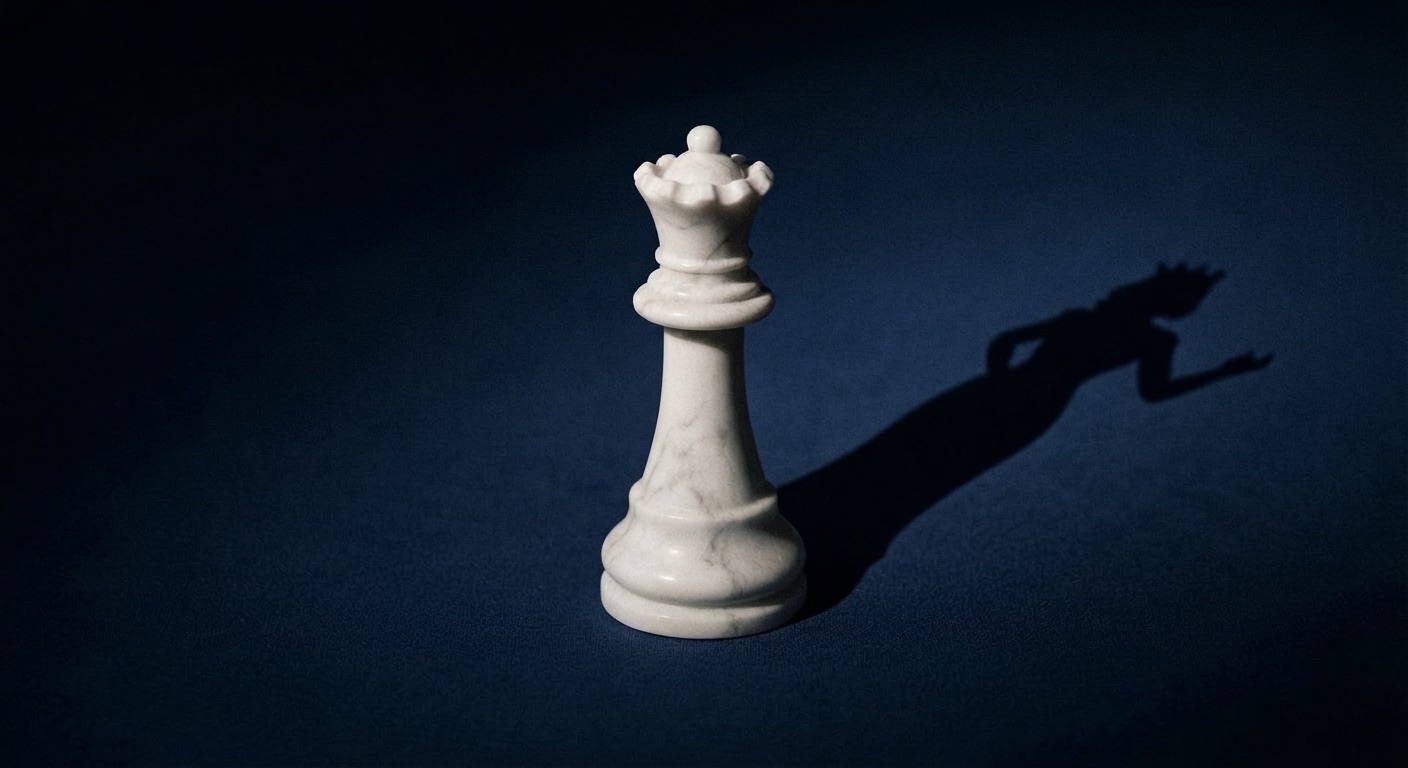
Marilyn Yalom, in her book Birth of the Chess Queen, argues that the most powerful piece on the chessboard became such in the late 1400s as a result of, and certainly influenced by, the sociopolitical situation of Europe at that time. Almost certainly this happened in Spain, and the first work to deal with the subject is The Poem Scachs d’amor from 1475, the year after the coronation of Isabella I of Castile.
Yalom thus argues that figures like Eleanor of Aquitaine, Blanche of Castile, and, obviously, Isabella I directly influenced chess and the evolution of the piece.
One cannot, however, overlook that in many languages the word for the piece is not “woman” or “queen,” but “army commander” (vezér in Hungarian) or “the king’s counselor” (vizir in Arabic), to name just a few. In response, I feel it is worth pointing out that in France and Spain, where this chess revolution took place, the most common names for the piece are, respectively, Dame and Dama (or Reina).
One of my first thoughts, when I discovered chess, was simply to admire the power of the queen, in Italian more commonly called Donna (“woman”). The king is a defenseless, slow and weak being; the queen defends him, not as an act of submission, but as an expression of Nietzschean will to power, making the whole thing incredibly poetic.
It is a curious paradox that a game considered “masculine” by many (wrongly, of course), and yet certainly created by men, chose to entrust protection and defense to the female figure.
I think the feminist version (if it can be called that) of the piece’s history is surely the most interesting, ergo my favorite.
But this topic has thus led me to the sore spot of chess.
According to the 2026 FIDE report, only 16.5% of registered players are women, prompting a very difficult reflection on women’s chances in this sport.
It is no surprise that, in all of history, only GM Judit Polgar has managed to reach the very top of the chess world. With such a low percentage, even a single woman in the world elite is a far more significant achievement than it is already considered to be.
Many blame women’s low competitiveness on the presence of titles such as WGM (Woman Grandmaster), which act as gilded cages, limiting women’s growth as chess players. It is undeniable, however, that the system of women’s titles was created to give female players visibility, thus providing an economic and psychological incentive that would not otherwise exist.
It is difficult to get to grips with the issue and resolve it and, naturally (I do not think I need to stress it), the problem is certainly not biological, but the product of a thoroughly mistaken cultural legacy.
Attualmente sto leggendo:
What I’m currently reading:
The Sandman: A Game of You (Neil Gaiman)
Post scriptum
Judit Polgar vs Viswanathan Anand 1-0 Dos Hermanas, 1999
Inoltre, un pensiero in più, da una vecchia conoscenza…
Also, one more thought, from a familiar voice…