Time is precious. Click below to jump directly to the English version of the fragment.
[ITA]
A volte bisogna fermarsi a pensare, guardare la natura con occhi diversi. Ho visto al cinema Silent Friend (Stille Freundin) il film del 2025 scritto e diretto da Ildikó Enyedi; come sempre, lungi da me il voler recensire, ma, ecco, quest’opera è sorprendente, mi ha portato ad una nuova visione della natura, delle piante: un rapporto intimo che in questo film viene mostrato egregiamente, con calma e semplicità.
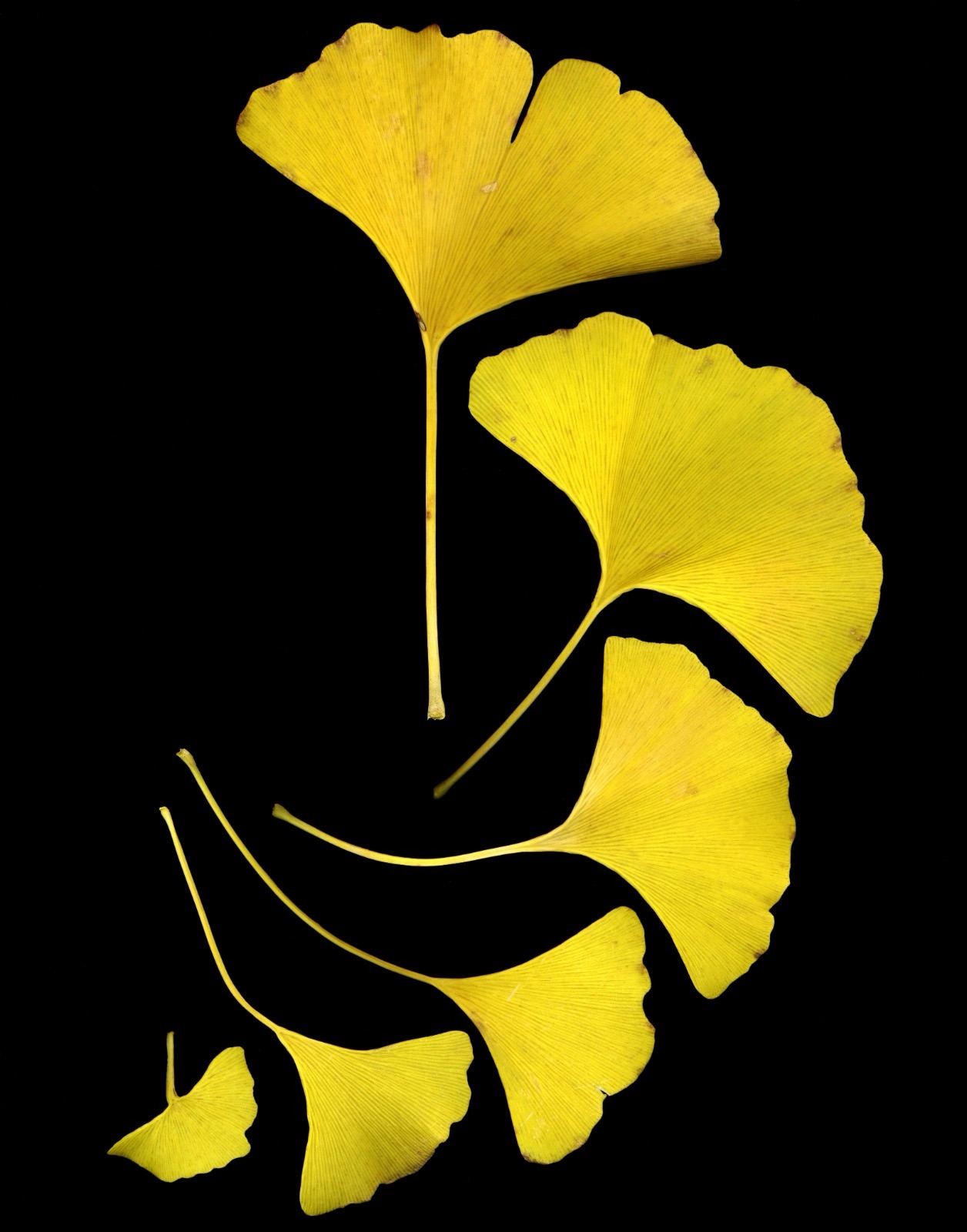
È la prima volta che mi ritrovo al cinema per qualcosa di così “autoriale” se così la si può definire, e sono molto soddisfatto. La chiara svolta di Enyedi è nel punto di vista, quello dell’amico silenzioso: un Ginkgo biloba del giardino botanico dell’Università di Marburg, in Germania. Attraverso tre epoche, questo maestoso albero osserva tre generazioni totalmente diverse: la prima donna dell’università, la cultura giovanile di inizio anni ’70 e il COVID-19. Tre epoche differenti, che sottolineano però il rapporto con la natura, il sentimento e la vicinanza ad essa.
Tony Leung, eccelso in questo film, ha studiato le piante e la loro intelligenza per mesi prima di prepararsi al ruolo.
Un film, un libro, o in generale un’opera d’arte ti cambia quando lascia dentro di te qualcosa, ti smuove. Silent Friend lo fa in maniera prepotente, netta. Ci impone di lasciare la nostra visione antropocentrica dell’universo e guardare il tutto dal punto di vista del giardino botanico e, in particolare, dal punto di vista del Ginkgo biloba presente lì dal 1832.
È difficile, a fine film, non provare un forte senso di rispetto, che spesso lasciamo andare, verso la botanica, verso il rapporto con le piante, e non considerarle come lo stesso Tony Leung dice, degli “esseri senzienti”.
Sempre più spesso mi rendo conto di come io abbia sempre bisogno d’incanto, di essere sorpreso. Purtroppo ultimamente il cinema non lo stava facendo più; ho pensato, forse anche autoconvincendomi che fosse colpa mia, che il discostarmi sempre più dal cinema e il non andare più in sala mi avessero portato a questo disincanto, a questa freddezza. Poi, per fortuna, recupero vecchi film, oppure vado a vedere opere come Silent Friend e mi rilasso un po’, mi sento più leggero.
Poi chiaramente, un po’ di critica sociale nel film fa sempre bene, lo rende più ancorato alle tre realtà che vuole rappresentare. Ho cambiato la scaletta per inserire questo piccolo frammento; insomma, l’ho trovato un film onesto, vero. Che bello…
[ENG]
Sometimes you need to stop and think, look at nature through different eyes. I saw Silent Friend (Stille Freundin) at the cinema, the 2025 film written and directed by Ildikó Enyedi; as always, far be it from me to write a review, but, well, this work is surprising: it brought me to a new way of seeing nature and plants: an intimate relationship that in this film is shown superbly, with calm and simplicity.
It is the first time I have found myself at the cinema for something so “auteur-driven,” if it can be called that, and I am very pleased. Enyedi’s clear stroke of originality lies in the point of view, that of the silent friend: a Ginkgo biloba in the botanical garden of the University of Marburg, in Germany. Across three eras, this majestic tree observes three entirely different generations: the first woman at the university, the youth culture of the early 1970s, and COVID-19. Three different eras that nevertheless emphasize the relationship with nature, the emotional bond and the closeness to it.
Tony Leung, superb in this film, studied plants and their intelligence for months before preparing for the role.
A film, a book, or in general a work of art changes you when it leaves something inside you, when it shakes you up. Silent Friend does so in a forceful, unmistakable way. It compels us to abandon our anthropocentric view of the universe and look at everything from the perspective of the botanical garden, and in particular from that of the Ginkgo biloba that has stood there since 1832.
It is difficult, by the end of the film, not to feel a strong sense of respect, which we often neglect, toward botany, toward our relationship with plants, and not to consider them, as Tony Leung himself puts it, “sentient beings.”
More and more often I realize how I always need enchantment, how I need to be surprised. Unfortunately, lately cinema had stopped doing that; I thought, perhaps even talking myself into believing it was my fault, that moving further away from cinema and no longer going to the theater had led me to this disenchantment, to this coldness. Then, fortunately, I catch up on old movies, or I go to see works like Silent Friend and I relax a bit; I feel lighter.
Then, of course, a bit of social commentary in the film is always good, making it more grounded in the three realities it wants to represent. I changed the lineup to include this short fragment; in short, I found it an honest, genuine film. How beautiful…
Attualmente sto leggendo:
What I’m currently reading:
The Sandman: A Game of You (Neil Gaiman)
Post scriptum
Un’intervista di Artesettima per approfondire
An interview by Artesettima to delve deeper