Time is precious. Click below to jump directly to the English version of the fragment.
[ITA]
Ogni volta che scrivo, sento la necessità di avere dei riferimenti visivi per i personaggi, anche quelli secondari. Ho provato a immaginare, ad esempio, una donna bionda, ma automaticamente ho in mente una determinata attrice o in generale una personalità famosa o che conosco. Mi aiuta molto nella scrittura, immagino tutte le scene come un film.
Ho sempre percepito come molto curioso il fatto che nella mia mente io abbia immagini vivide di cose che succedono come se fossi uno spettatore; molte volte mi sembra di non inventare una storia, ma, banalmente, di descriverla, come se tutto fosse già successo. Mi sento un semplice narratore che descrive ciò che vede al meglio delle sue capacità.
A volte la mente ha bisogno di tempo per elaborare, un periodo di gestazione, dove faccio altro, trascuro la mia storia, ma soltanto in superficie. Lo so, è un tema già trattato in Il Metodo del Vuoto. È come se nei meandri della mia mente tutto scorresse sino al fatidico giorno in cui faccio la prima analisi del personaggio, la prima scaletta della storia.
Si parte di solito da lì, un personaggio, una scaletta, dopo la trilogia: Amorumò, Musa e Butō ho sentito la forte esigenza di non parlare più di Davide (quindi di me) e esplorare nuovi temi, avevo in mente un nuovo personaggio, una donna: Nina.
L’idea è stata nella mia testa per molto tempo, prima anche di Butō, solo che, come spesso accade, non trovavo la chiave, la giusta via. Poi un giorno: Eureka! Ho scritto quattro pagine di appunti per la nuova storia, la mia famosa scaletta, e ora raccolgo informazioni per il nuovo Graphic Novel.
Le quattro pagine saranno all’inizio del Graphic Novel scritte in prosa, ho in mente di sperimentare l’unione tra le vignette e la prosa, ecco quindi l’inizio:
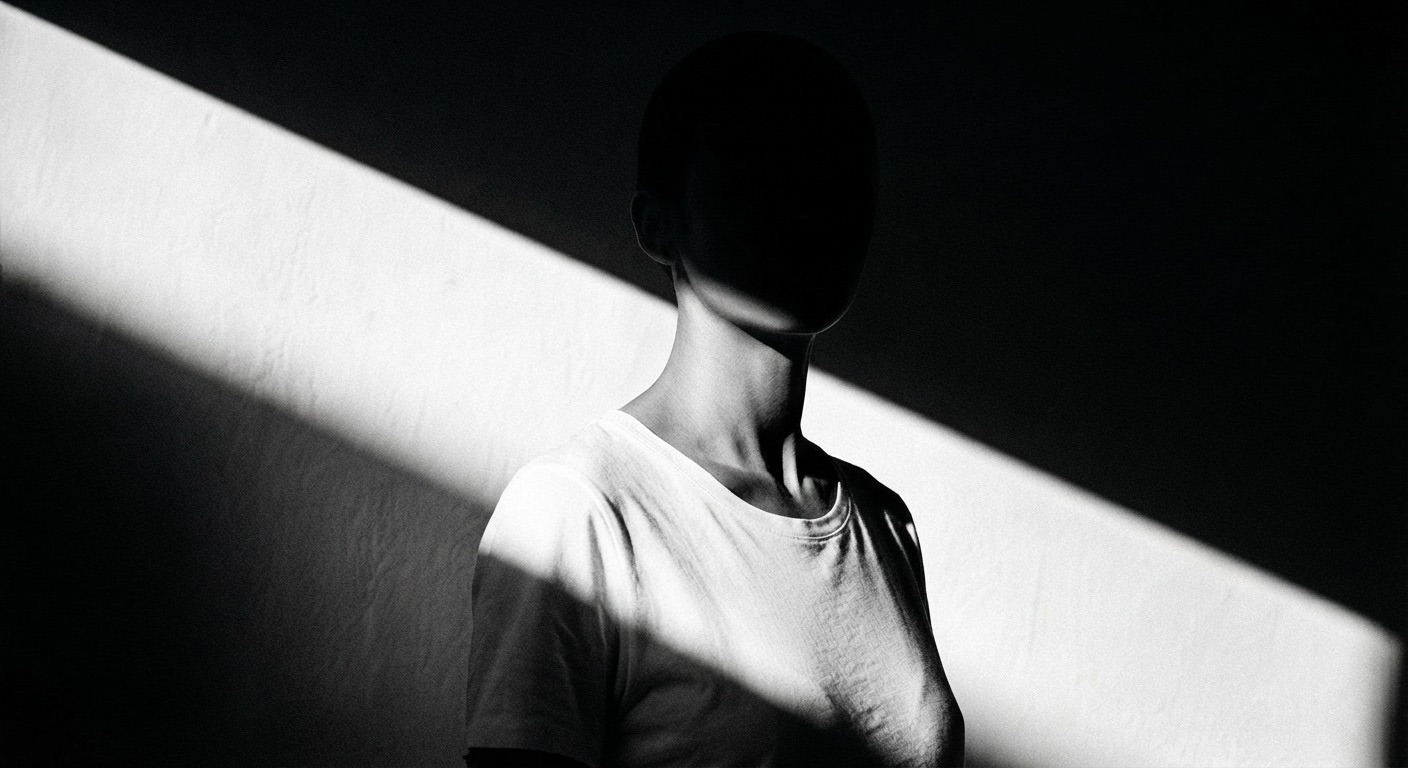
Indossava una maglietta bianca, ogni volta che si sentiva in pericolo, spaventata, indossava una maglietta bianca. Questo era come Nina esprimeva le sue paure, un modo per gridare al mondo “mi arrendo”.
In effetti, quale colore migliore del bianco per rappresentare la resa? Nina dava molta importanza ai suoi vestiti, a ciò che voleva trasmettere a chi la vedeva. Per lei un tacco alto voleva dire urlare la propria femminilità, non era solo sexy, era un urlo femminista. Le piaceva molto sentirsi donna, sentirsi bella. Da piccola aveva l’abitudine di rubare i trucchi di mamma, voleva sapere cosa si provasse a dipingersi il volto. Era un’arte che non comprendeva a fondo, ma non la denigrava. Non c’è tempo di denigrare ciò che gli altri fanno, la vita è troppo breve.
Nina ricorda che questa frase l’aveva detta suo padre quando le aveva insegnato a giocare a scacchi, e lei, sentendosi una bimba intelligente e “grande”, prendeva in giro le sue amiche. Ascoltava sempre i consigli di suo padre, così non prese più in giro nessuno, ma continuò a considerarsi più intelligente e “grande” delle altre bambine.
Si può dire certo che fosse una bimba presuntuosa, ma ecco, forse non aveva tutti i torti.
[ENG]
Every time I write, I feel the need to have visual references for the characters, even the secondary ones. I have tried to imagine, for example, a blonde woman, but I automatically picture a particular actress, or, more generally, a famous person or someone I know. It helps me a lot with my writing; I imagine all the scenes as if they were a film.
I have always found it very curious that in my mind I have vivid images of things happening as if I were a spectator; often I feel as though I am not inventing a story, but, quite simply, describing it, as if everything had already happened. I feel like a simple narrator describing what he sees to the best of his abilities.
Sometimes the mind needs time to process, a gestation period during which I do other things and neglect my story, but only on the surface. I know, it is a theme already covered in The Method of the Void. It is as if in the winding recesses of my mind everything were flowing until the fateful day when I do the first character analysis, the first outline of the story.
It usually starts from there: a character, an outline. After the trilogy: Amorumò, Musa and Butō, I felt a strong need to stop talking about Davide (therefore about myself) and explore new themes; I had a new character in mind, a woman: Nina.
The idea was in my head for a long time, even before Butō, except that, as often happens, I could not find the key, the right path. Then one day: Eureka! I wrote four pages of notes for the new story, my famous outline, and now I am gathering information for the new Graphic Novel.
The four pages, written in prose, will open the Graphic Novel; I plan to experiment with combining panels and prose, so here is how it begins:
She wore a white T-shirt: every time she felt in danger, scared, she wore a white T-shirt. This was how Nina expressed her fears, a way to shout to the world "I surrender."
Indeed, what better color than white to represent surrender? Nina placed great importance on her clothes, on what she wanted to convey to those who saw her. For her, a high heel meant screaming her own femininity; it was not just sexy, it was a feminist scream. She really liked feeling like a woman, feeling beautiful. As a child she used to steal mom's makeup; she wanted to know what it felt like to paint her face. It was an art she did not fully understand, but she did not disparage it. There is no time to disparage what others do; life is too short.
Nina remembers that her father had said those words when he had taught her to play chess, and she, feeling like a clever, "grown-up" little girl, used to tease her friends. She always listened to her father's advice, so she never teased anyone again, but continued to consider herself smarter and more "grown-up" than the other little girls.
One can certainly say she was a conceited little girl, but, well, perhaps she was not entirely wrong.
Attualmente sto leggendo:
What I’m currently reading:
Letter to Menoeceus (Epicurus)